Creating a New Web Test
This guide will walk you through the process of setting up and creating a new Web Test Case inside Robonito.
Organizing Your Tests
In Robonito, tests are systematically organized inside containers called Test Suites. Suites help group related functional behaviors together (e.g., "E-commerce Checkout", "User Profile Management").
When automating web applications, it is recommended to put your Test Cases inside a designated Web Test Suite.
Step-by-Step Guide
Follow these simple steps to initialize a new web test case:
-
Select the Target Suite
Click the Target Suite dropdown. You can either select an existing suite or type a new name to dynamically generate one.

-
Name Your Test Case
Provide a clear, human-readable name in the Test case name field (e.g.,Verify Add to Cart Functionality). A descriptive name ensures your team understands the scenario instantly.

-
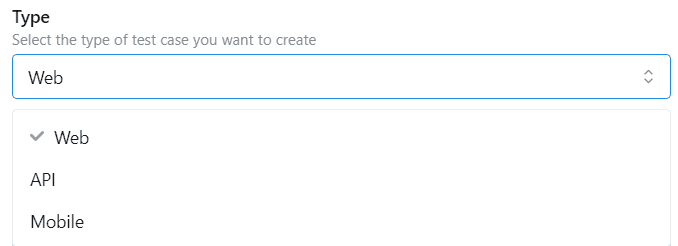
Choose the Test Type
Select Web under the test type options. This instructs Robonito to load the UI automation workspace rather than the API workspace.
-
Provide a Description (Optional but Recommended)
Enter a short summary outlining the goal of the test. Documenting the scope greatly aids team collaboration and maintenance. -
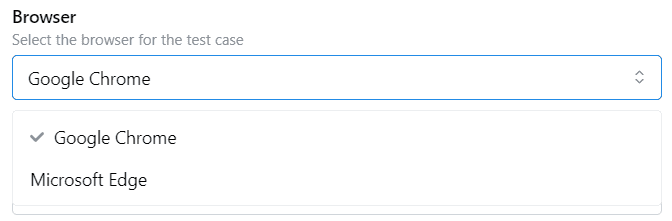
Select Your Browser
Choose the browser environment in which the test will eventually execute (e.g., Google Chrome, Firefox).
-
Define the Target URL
Enter the starting URL of your application. This is the page Robonito will load when the test begins.

-
Choose the Viewport Device
Select a predefined device preset (e.g.,Laptop 11 – 1366×768oriPhone 13). This forces the browser to render the application at the exact screen resolution specified, ensuring accurate responsive testing.

-
Inject Authentication (Optional)
If your test requires an authenticated user session, you can select an existing Auth Test Case. Robonito will automatically inject valid session cookies before loading the Target URL, allowing you to bypass repetitive login screens entirely! -
Finalize Creation
Click the Create button. Your web test case is now saved to the suite!
Next Steps
With your test case created, you are now ready to begin capturing user actions using the Robonito Recorder!